First-Time Solo Travel in Japan: A Beginner's Guide
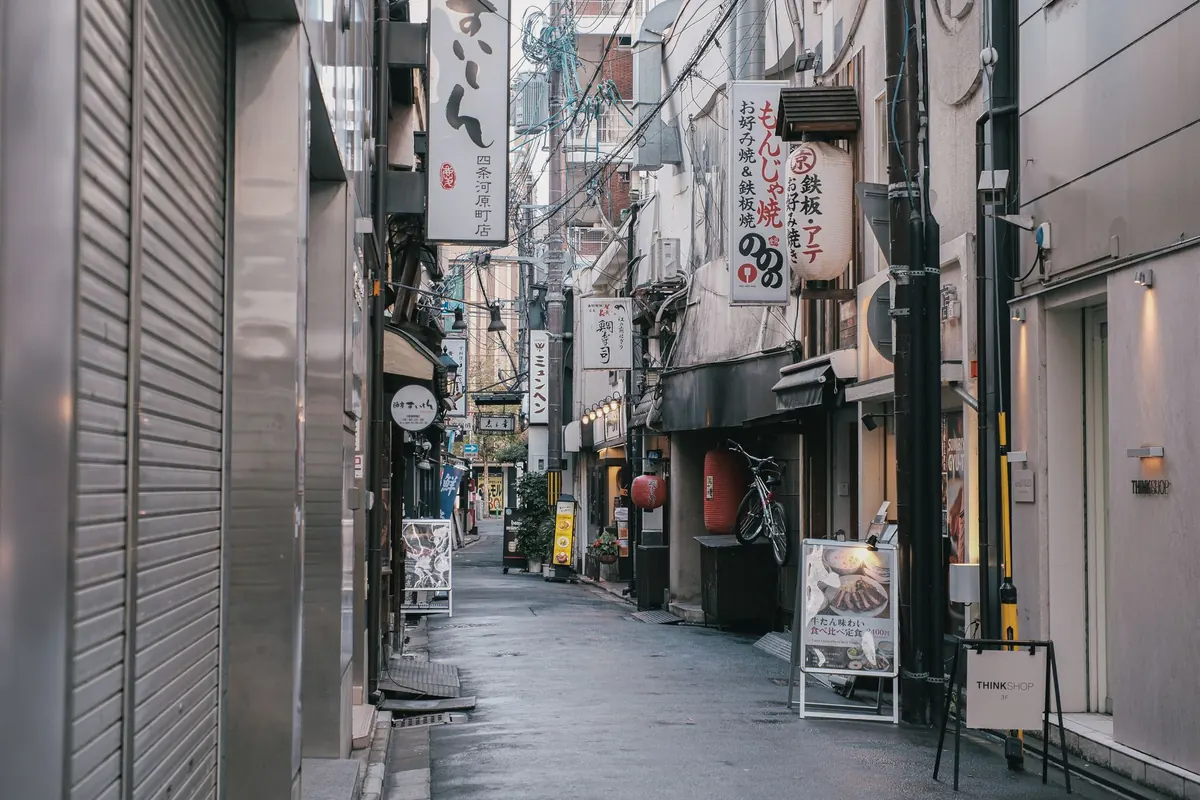
Japan is one of the easiest places in the world to travel alone, and one of the most rewarding. Nobody looks twice at a person eating ramen at a counter at nine in the morning. Trains run on time, staff are patient with broken Japanese, and the country is dense with places where a single traveller fits naturally. What trips up first-timers is rarely the language. It is the small logistics: whether the rail pass is actually worth it now, how much cash to carry, and how to walk into a restaurant without feeling like you have interrupted something.
Two weeks is a generous first trip. It is enough to see the big cities without spending half of it on trains, and enough to slow down somewhere small. Here is what matters most before you go.
The Rail Pass Question
The nationwide Japan Rail Pass used to be an obvious purchase. It no longer is. After a significant price increase, a seven- or fourteen-day pass only pays for itself if you are covering long distances at speed: Tokyo to Hiroshima and back, or a loop that includes Kyushu or Tohoku. For the classic first-timer route — Tokyo, Kyoto, Osaka, with a day trip or two — you will usually spend less buying individual shinkansen tickets and using an IC card for local trains.
Do the arithmetic before you commit. Add up the long-distance legs you genuinely plan to take, compare that with the pass price, and be honest about whether you will really make three side trips you had not originally intended. If the numbers are close, the pass wins on flexibility. If they are not, skip it.
Regional passes are the underrated option. JR East, JR West and the Hokuriku area all sell passes covering a smaller area for a few consecutive days, and they are often a fraction of the national price. They suit itineraries that stay in one part of the country rather than racing from end to end.
For city travel, get an IC card — Suica, Icoca or Pasmo, depending on the region — and load it at a station machine. Physical card availability has been patchy at times, so loading one into your phone's wallet before you fly is the smoother route if your device supports it. It works on trains, buses, and in most convenience stores.
Cash, Cards and the Coin Purse You Will Need
Japan accepts cards far more widely than it did a decade ago. Hotels, department stores, chain restaurants and convenience stores are fine. But small restaurants, neighbourhood bars, shrine stalls, rural buses and the little shop that sells the best pickles in town may still be cash only. Assume you need cash and you will never be caught out.
Withdraw at a 7-Eleven or Japan Post ATM, both of which reliably accept foreign cards. Airport arrivals halls have them too. Take out a reasonable amount once or twice a week rather than hunting for a machine every day.
- Carry a small coin purse. Japan runs on coins, and a pocket full of loose change is miserable by day three.
- Check what your bank charges for foreign withdrawals before you leave, and consider a card with no currency conversion fee.
- Keep a few thousand yen in notes tucked away as an emergency fund.
- There is no tipping anywhere. Not in restaurants, not in taxis, not at hotels. Leaving change on the table can cause genuine confusion.
One habit to learn quickly: at a shop counter, you will usually see a small tray beside the register. Place your money there rather than handing it directly to the cashier.
Eating Alone Without the Awkwardness
Solo dining is normal here, but not everywhere in the same way. The easiest places to eat alone are the ones built for it: ramen shops with counter seating, standing soba bars near stations, teishoku restaurants serving grilled fish and rice sets, conveyor-belt sushi, and the basement food halls of department stores, where you can assemble a superb meal from a dozen small purchases.
Ramen shops often use a ticket machine at the entrance. Put in cash, press the button for the bowl you want, hand the ticket to the staff and take a seat. Nobody will expect conversation.
Izakaya — the casual drinking restaurants — are friendlier to solo diners than they look. Ask for a counter seat, say hitori desu (one person) and order a few small plates. Expect a small seating charge called otoshi, which arrives as an appetiser you did not order; it is standard, not a mistake on the bill.
Timing helps. Popular dinner spots fill between seven and eight, and a busy restaurant with a queue is more likely to turn away a single diner than a party of four. Eat at six, or after eight-thirty. Lunch is easier still, when set meals are cheaper and turnover is faster.
Etiquette That Actually Matters
Most Japanese etiquette is about not imposing on other people, and you will be given a lot of latitude as a visitor. Getting these right shows effort, and effort is noticed.
- Shoes off at the entryway in homes, some restaurants, ryokan and temple buildings. Watch for a step up and a row of slippers.
- Quiet trains. Phone calls on commuter trains are frowned upon; keep conversations low.
- Queue properly at platform markings, escalators and bus stops. In Tokyo, stand on the left of the escalator; in Osaka, on the right.
- Carry your rubbish. Public bins are scarce, so keep a small bag for wrappers until you find a convenience store bin.
- At the onsen, wash thoroughly at the seated showers before entering the water, and keep hair out of the bath. Tattoos are still restricted at some facilities, so check ahead if that applies to you.
- At shrines and temples, follow the crowd: bow at the gate, rinse hands at the water basin, and keep voices low.
Shaping Two Weeks
The classic route exists for good reason, and for a first solo trip it is hard to beat. Tokyo for four or five nights, a couple of nights somewhere smaller — Kanazawa, Hakone, Takayama or the Fuji Five Lakes — then Kyoto for three or four, Osaka for two, with a day trip to Nara or Himeji folded in.
The mistake is moving every night. Every hotel change costs you half a day in check-in, luggage and orientation. Two or three bases with day trips from each will give you a far better trip than six cities in fourteen days. Trains are fast, but the time between them is not free.
If you want a single splurge, make it a night in a ryokan with dinner and breakfast included. It is one of the few travel experiences that is genuinely easier alone: the meal arrives on your schedule, the bath is yours to use, and there is nothing to organise.
Where to Sleep When It Is Just You
Japan is unusually well set up for single travellers. Business hotels — compact, spotless, predictable chains — sell single rooms as standard rather than as a penalty, which is not true in most of Europe. Hostels often have private rooms at a modest premium over a dorm bed, and capsule hotels are worth trying once for the novelty.
Book accommodation early for spring and autumn, when domestic travel is heavy. In cities, prioritise a location near a station on a line you will actually use over a cheaper room twenty minutes further out.
If you are moving between cities and hate hauling a suitcase, use luggage forwarding. Hotels will arrange delivery to your next hotel, usually for next-day arrival. Pack an overnight bag and travel light on the train.
Before You Fly: A Short Practical Checklist
- Check your passport validity and confirm whether your nationality needs a visa; rules vary and change.
- Tell your bank you are travelling and confirm your cards work abroad. Carry a second card separately from the first.
- Buy travel insurance, and read what it actually covers before you need it.
- Download offline maps and a translation app, and screenshot your first night's hotel address in Japanese.
- Learn five phrases: sumimasen (excuse me), arigatou gozaimasu (thank you), hitori desu (one person), eigo no menyuu wa arimasu ka (is there an English menu), and ikura desu ka (how much is it).
- Keep a physical note of your embassy's contact details. For anything involving money, insurance or visas, confirm the current rules with your bank, insurer or embassy rather than relying on a blog post.
Then stop planning. Japan rewards the traveller who leaves a day blank — who follows a side street because the lanterns look interesting, or takes the slow train because it goes along the coast. Solo, you can do that without asking anyone's permission. That is the whole point.
Photo: Huy Phan / Pexels