Where Locals Eat Breakfast in Naples: A Neighborhood Guide
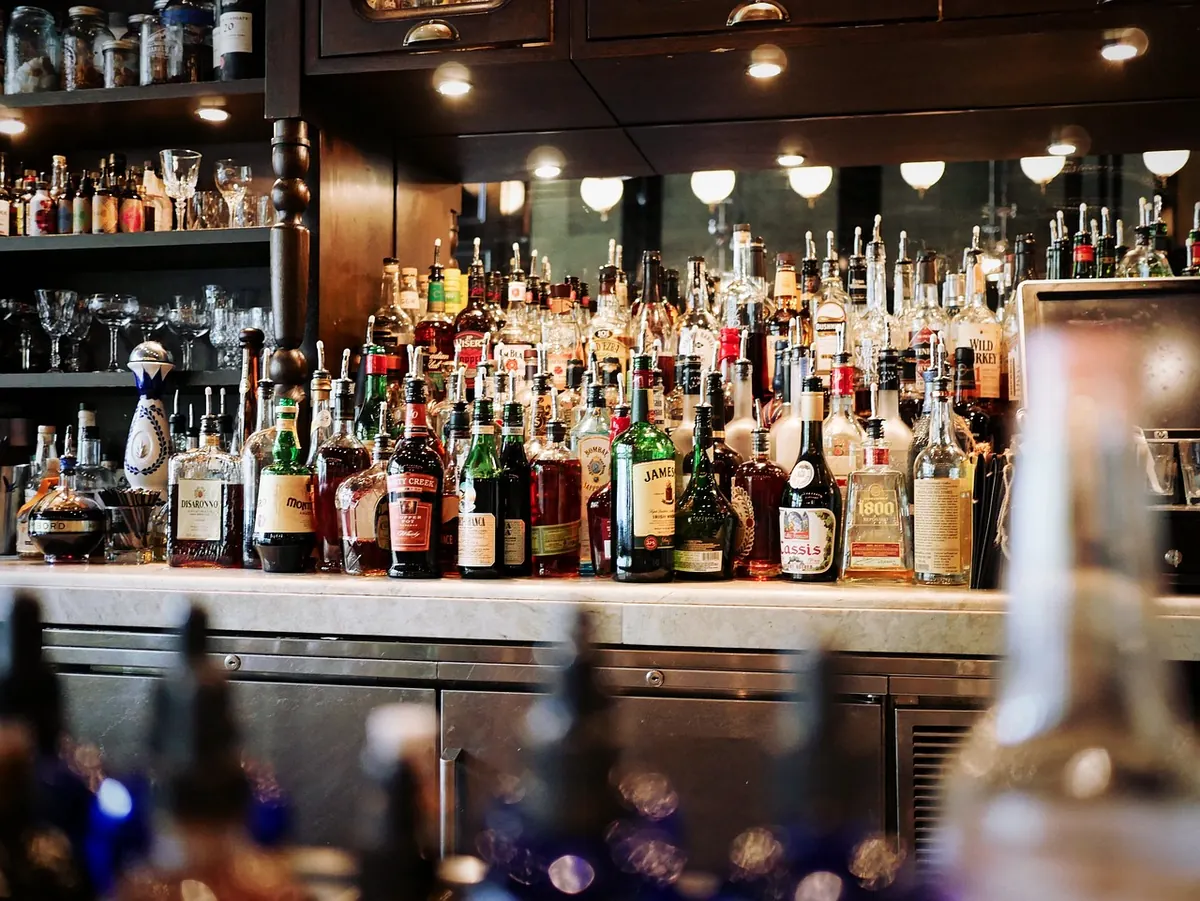
Naples does not ease into the morning. By half past seven the counter of a bar on Via dei Tribunali is three rows deep, someone is calling an order over the grinder, and the first tray of sfogliatelle is already losing its crunch. Breakfast here is short, cheap and mostly taken standing: a caffè, something warm and flaky, a glass of water, five minutes and out. Which means where you eat it matters more than you would expect. A bar two streets back from the tourist drag can cost a third of what you pay on the seafront, and the pastry changes with the district as much as the accent does.
The Counter Rule: Standing Versus Sitting
In Naples the price of an identical coffee depends on where your elbows are. At the banco you pay the counter price. At a table you pay the table price, which is printed on a separate list and is often double, sometimes triple, in the grander rooms near Piazza del Plebiscito. This is not a trick aimed at visitors; it is how the city has always worked. Neapolitans drink standing, at speed, and the bar keeps a handful of tables for people who want to read the paper and linger.
Paying is simple once you know the routine. If there is a queue at the register, pay first, keep the scontrino, then take it to the counter and say what you want. In smaller bars you order at the counter and pay at the end. If you are unsure, ask “si paga prima o dopo?” — nobody minds.
- Ask for un caffè, not un espresso. You will get a short, hot, very strong shot in a small cup.
- Say al banco if you want the standing price, and mean it — sit down and you accept the table list.
- A glass of water is not automatic. “Un bicchiere d’acqua” is a normal request and it costs nothing.
- Milk coffees are a morning habit. Ordering a cappuccino at four in the afternoon is legal, just not local.
- If you see caffè sospeso on a board, it means someone has already paid for a coffee for a stranger. You can add one.
Opening hours are earlier than most visitors expect. Bars typically open between six and seven in the morning, run through lunch, and close around eight or nine at night; a few shut for the afternoon and reopen later. Pastry shops often close on Sundays, and August can empty a neighbourhood of its best baker for two weeks.
Centro Storico: Sfogliatella Territory
The historic centre is where the breakfast repertoire is widest and the competition sharpest. On Via dei Tribunali and the lanes around San Domenico Maggiore, you can eat well for very little before nine, when the whole quarter is still quiet and the pizza ovens are cold. Pintauro, on Via Toledo, has been folding sfogliatelle for centuries and is worth the small detour; Scaturchio on Piazza San Domenico Maggiore is the place for a ministeriale, a dark chocolate disc with cream that sits somewhere between pastry and dessert.
Bar Nilo, on Via San Biagio dei Librai, has a small shrine to Maradona behind the counter and a crowd of students at the bar most mornings. You are not there for the decor, but the coffee is good and the price is honest.
Riccia or frolla?
Both are sfogliatelle and they are not the same thing. The riccia is the shell-shaped one, layered and shatteringly crisp, best eaten within minutes of leaving the oven. The frolla is softer, made with shortcrust, and travels better. First-timers usually prefer the frolla and then convert. Order one of each and settle it yourself.
Quartieri Spagnoli: Fast, Loud, Cheap
Up the steep grid of alleys between Via Toledo and the hill, breakfast is a practical act. Bars are tiny, some with no sign at all, and the coffee is among the cheapest in the centre. You will drink it standing shoulder to shoulder with people on their way to work, under washing lines and a wall of graffiti, and you will be out again in four minutes.
Look for a graffa, the sugar-dusted fried dough that is the neighbourhood’s answer to a doughnut, and eat it hot. If a bar has a hand-written price list taped to the wall and no photographs of food, that is a good sign. If it has a menu in four languages and a man outside inviting you in, walk two hundred metres and try again.
Vomero: The Residential Morning
Take the funicular up from Chiaia or Montesanto and you land in a different Naples: wide pavements, prams, dog walkers, people reading actual newspapers. Around Piazza Vanvitelli the bars are slightly bigger, the cornetti are excellent, and there is room to sit without feeling you have bought a seat. Prices are still modest by Italian city standards, and the cappuccino is made for people who are not in a hurry.
This is the best district for a slow breakfast with children, partly because the morning air is cooler up here and partly because nobody will hurry you out of your chair. Arrive by eight and you get the full theatre of the neighbourhood waking up.
Chiaia and the Lungomare: Sit Down, Pay More
Chiaia is where Naples takes its coffee politely. The pasticcerie along Via Filangieri and around Piazza dei Martiri are elegant, the service is table-side, and the bill reflects it. Bars on the seafront do the same with a view attached. It is a pleasant way to spend an hour, and the pastries are genuinely good, but remember that you are paying for the room.
The famous historic café by Piazza Trieste e Trento falls into this category: magnificent interiors, prices to match, and a table charge that surprises people who have spent a week paying a euro at a counter. Go once, knowingly. Then go back to standing.
Sanità and Piazza Garibaldi: Early Starts
In the Sanità, the morning begins with the market around Via dei Vergini and the bars open with the shutters. It is cheap, unpretentious and quick, and the pastries are usually whatever came out of the oven an hour earlier. Near Piazza Garibaldi, the bars serve commuters from six onwards: espresso, cornetto, a shout, gone. If you have an early train, this is your district.
A Short Field Guide to Timing
Breakfast in Naples runs from about six to eleven, and the city rewards an early start. Use the clock as your filter.
- 6:00–7:00 — station bars and the Sanità, for commuter speed and the first pastries.
- 7:30–8:30 — the Centro Storico at its best: quiet streets, hot sfogliatelle, no queue.
- 9:00–10:00 — Vomero, for a table, a proper cappuccino and a slower pace.
- 10:30 onwards — Chiaia and the lungomare, when sitting down stops feeling like a waste of a good morning.
Carry a few coins and small notes; some small bars are still cash-first. And if a place is full of people standing with their coats on, stay. That is the whole review.
Photo: Pexels / Pixabay